Scuba Regulator Technician Training: What to Expect From a Professional Course
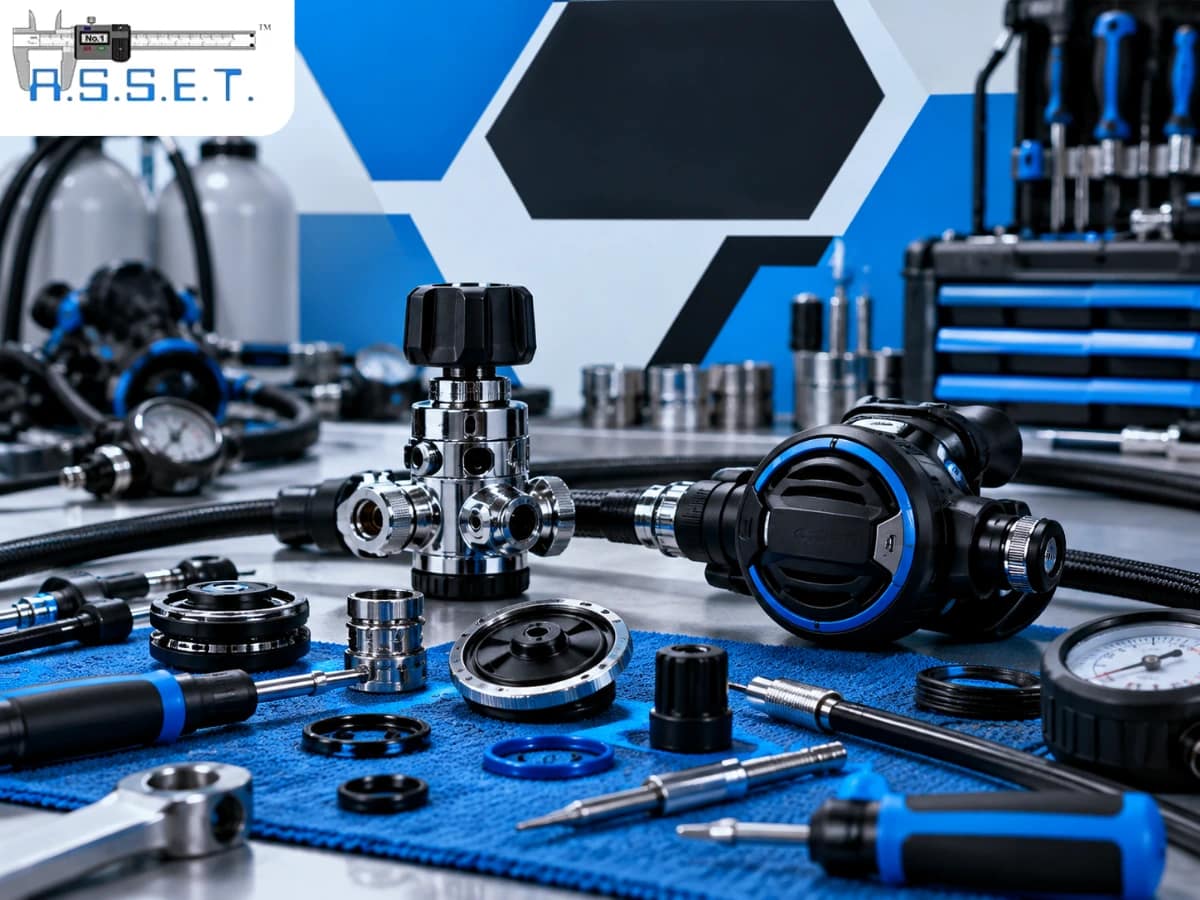
A scuba regulator is one of the most important pieces of equipment a diver carries. It takes breathing gas from a high-pressure cylinder. It delivers it at a pressure suitable for breathing. Because of this role, regulator servicing requires technical knowledge. It needs careful inspection and accurate testing. This is whereScuba Regulator Technician Training comes in. It is not simply about learning which parts belong inside a regulator. It teaches technicians to
- understand regulator design
- recognise worn or damaged components
- use specialist tools
- follow servicing procedures
- test equipment after reassembly
A professional course can also introduce learners to workshop safety, documentation, and responsibilities involved in working on life-support equipment. If you are considering this career path and want to develop your technical skills within the diving industry, knowing what to expect from a course can help you make an informed choice.
What Is Scuba Regulator Technician Training?
It prepares learners to inspect, service, and test scuba regulators using appropriate technical procedures. A regulator contains several small and precisely engineered components. The first stage reduces cylinder pressure. The second stage delivers breathing gas to the diver. Different regulator designs use different mechanisms. So technicians need a sound understanding of how these systems operate.
Professional training therefore combines theory with practical work. Dive Technician’s current training material covers
- regulator working principles
- pressure control
- first- and second-stage designs
- balancing
- regulator performance
- refurbishment requirements
The exact content varies between training providers and qualification routes. A good programme should clearly explain which equipment/brands/standards and practical skills are included.
Why Go For Professional Training?
A regulator may look relatively simple from the outside. But its internal operation is more complex. A technician may need to identify corrosion, worn seals, damaged seats, contamination, and incorrect assembly. They also need to understand which components require replacement and which procedures apply to a particular regulator. A mistake during servicing can affect regulator performance.
Scuba equipment servicing should only be attempted by technicians who have completed recognised training. Our regulator-servicing guide highlights the need for
- suitable tools
- service kits
- cleaning equipment
- appropriate lubrication
- pressure testing
Professional training provides a proper way to develop these skills instead of relying on trial and error.
What Will You Learn on a Good Course?
| Training area | What you can expect to learn |
| Regulator theory | First-stage, second-stage and pressure-control principles |
| Component knowledge | Purpose and function of internal parts |
| Disassembly | Safe and systematic removal of components |
| Inspection | Identification of wear, corrosion and damage |
| Cleaning | Suitable methods for regulator components |
| Lubrication | Correct use of approved lubricants |
| Reassembly | Correct positioning and assembly of components |
| Adjustment | Setting equipment according to applicable procedures |
| Testing | Checking regulator performance after servicing |
| Workshop safety | Safe use of tools, equipment and work areas |
| Documentation | Recording servicing and inspection work |
The balance between theory and practical training is important.
Understanding Regulator Design
This is one of the first areas covered in technical training. Learners need to understand the difference between first and second stages and the role each component plays. The first stage reduces the very high pressure coming from the cylinder. The second stage then delivers breathing gas to the diver when required. Training may also introduce different first-stage designs, including piston and diaphragm systems. It may also include balanced and unbalanced arrangements. Dive Technician’s current course material includes these areas alongside second-stage designs and regulator performance.
This knowledge becomes important during servicing because technicians need to understand the equipment before deciding which procedure to follow.
Learning to Identify Components
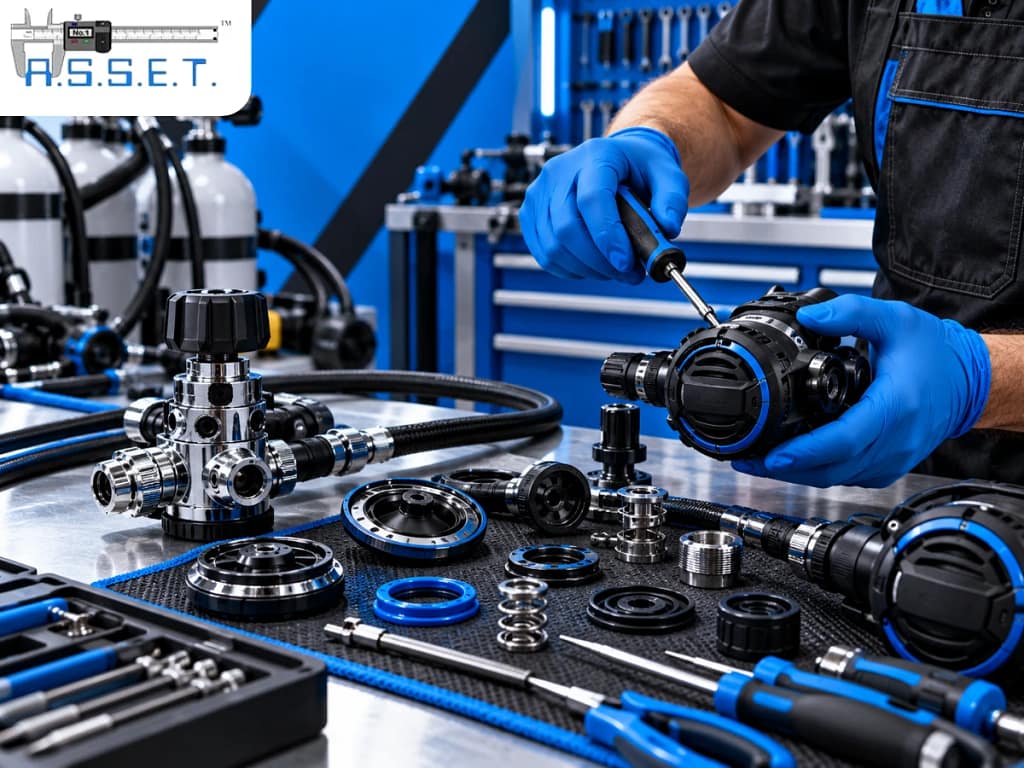
Regulator servicing involves many small components. Students can expect to become familiar with parts such as O-rings, seats, springs, filters, valves, diaphragms, and other internal components. Knowing the name of a component is only the beginning. A technician also needs to understand its function and recognise signs of wear and damage.
Practical Disassembly Skills
This is a major part of regulator servicing training. Students learn to take a regulator apart in a controlled sequence rather than simply removing components at random. Correct procedures help protect delicate parts and make reassembly easier. Training should also cover the use of appropriate tools. Dive Technician lists equipment such as the following among the tools used for regulator servicing: regulator-specific service kits, hex keys, screwdrivers, O-ring picks, spanners. We also recommend specialist cleaning equipment and regulator-specific lubricants. Practical sessions give learners an opportunity to become familiar with these tools under supervision.
Cleaning and Inspection
This is not simply a cosmetic stage. Regulators can encounter salt/moisture/dirt and other contaminants during normal use. Internal components need suitable cleaning and careful inspection as part of professional servicing. A technician needs to know which cleaning methods are appropriate for different components and materials. After cleaning, inspection becomes particularly important. Components should be checked for signs of corrosion and damage before reassembly. A professional course can teach learners to approach this stage systematically rather than rushing through it.
Learning Correct Lubrication
Using too much lubricant/the wrong lubricant/an unsuitable product can cause problems. Different applications may have specific requirements, particularly where oxygen service is involved. Professional training introduces learners to appropriate practices and helps them understand why proper selection is needed. The aim is not simply to make components move smoothly. Lubrication must be compatible with the component/application and manufacturer’s requirements.
This is one reason specialist training is preferable to relying on general mechanical experience.
Reassembly Requires Precision
Putting a regulator back together may sound straightforward, but meticulousness is important. Components need to return to the correct positions and be assembled according to the applicable technical procedure. Training sessions provide an opportunity to practise this process repeatedly. A good instructor can also identify habits that may cause problems, such as
- using an incorrect tool
- rushing a step
- failing to inspect a component before installation
Over time, this practical repetition can help learners develop a consistent workshop routine.
Pressure Testing and Performance Checks
Reassembly is not the end of the process. A serviced regulator needs appropriate testing before it returns to use. Training can introduce learners to checks such as intermediate-pressure measurement, breathing performance, and leak detection. Dive Technician’s regulator training material includes regulator performance and pressure-control principles.
The exact testing procedure depends on the manufacturer’s requirements and applicable standards. This stage reinforces an important principle: completing a rebuild does not automatically mean the equipment is ready for diving. Testing provides evidence that the regulator is performing as required.
Fault Finding Is an Important Skill
A technician needs to do more than follow a standard servicing sequence. They also need to recognise problems. A regulator may present symptoms such as unusual airflow, leaks, free flow, and increased breathing resistance. Finding the underlying cause requires an understanding of how the regulator operates. Professional training introduces learners to systematic fault finding. Rather than replacing parts at random, a technician learns to investigate the symptom. They learn to examine relevant components and use appropriate testing methods.
Manufacturer Procedures Have To Be Considered
Not every regulator is identical. Different manufacturers and models may use different components. They use different adjustment methods and servicing procedures. For this reason, training should teach technicians to work from the correct technical information rather than relying on memory. Dive Technician’s current technician course includes access to technical servicing information. Our course covers regulator designs and servicing principles. A technician should always establish which procedure applies to the specific regulator being serviced.
This is especially relevant for technicians working in dive centres where equipment from several manufacturers may be present.
Workshop Safety and Professional Practice
A professional course can also cover workshop safety, equipment handling, documentation, and quality assurance. Dive Technician’s current course information lists include workshop safety, standards, codes of practice, documentation, equipment accuracy, and calibration.
These subjects may seem less exciting than stripping down a regulator. But they are part of professional servicing.
Who Can Benefit From This Course?
Scuba Regulator Technician Training can be relevant to several groups within the diving industry. It includes Dive Centre Staff, Dive Instructors, Equipment Technicians, Dive Equipment Businesses, and Retailers and service centres. The exact qualification needed will depend on the equipment being serviced. It will also depend on the manufacturer requirements and local rules.
What Is the Practical Training Like?
It should involve real equipment rather than theory alone. Students can expect to work through tasks under instructor guidance. This may include
- identifying components
- using servicing tools
- disassembling equipment
- inspecting parts
- cleaning
- rebuilding
- carrying out performance checks
A practical environment also gives learners an opportunity to make mistakes while supervised. That helps because technical confidence should come from repeated correct practice, not from simply completing an online module. Dive Technician’s training approach combines learning with practical training. It places emphasis on developing competent technicians through theoretical and hands-on knowledge.
Online Learning or Classroom Training?
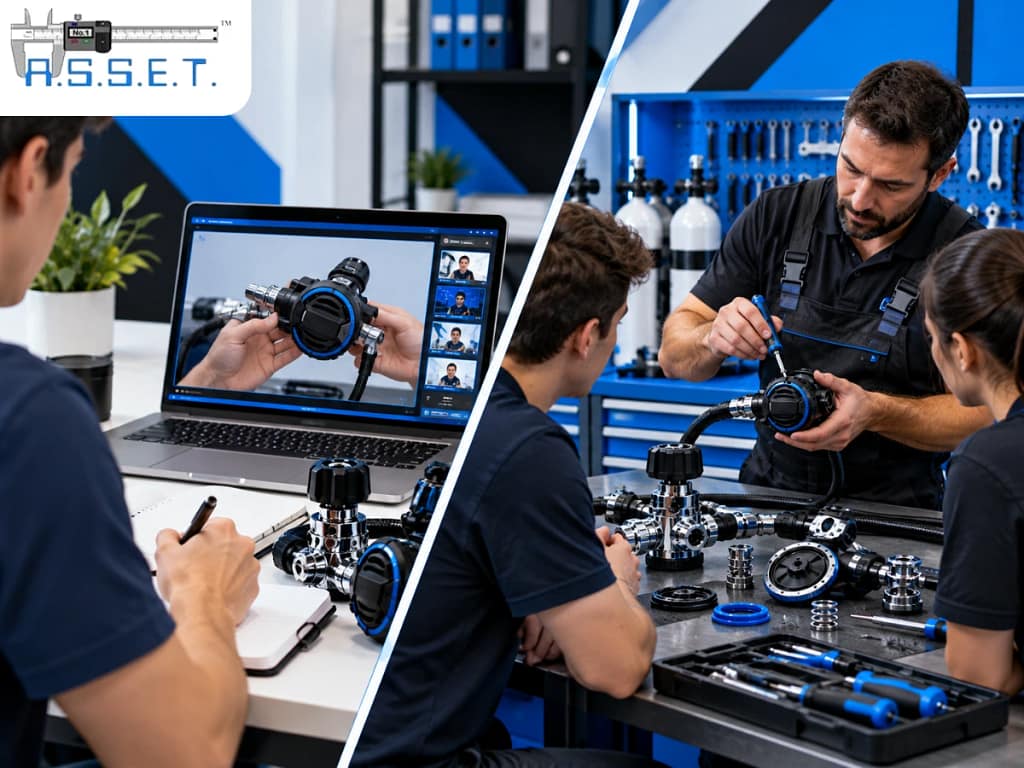
Some programmes combine online theory with practical sessions. This can be useful for learning terminology, regulator principles, safety information, and technical concepts before attending hands-on training. Practical sessions then give learners the opportunity to apply that knowledge. For a safety-critical technical skill, practical assessment is an important consideration when comparing courses.
Before enrolling, check whether the programme includes supervised hands-on work and what type of assessment is used. A course that offers only general information may not provide the same preparation as a programme involving actual equipment and practical assessment.
What Should You Look for in a Training Course?
Before choosing a programme, consider these questions:
Does it include practical servicing work?
Who provides the training?
What qualification or certificate is awarded?
Which regulator types or manufacturers are covered?
Does the programme teach inspection as well as servicing?
Are testing procedures included?
Does it cover workshop safety?
Is technical documentation provided?
Is there support after training?
Are the procedures aligned with applicable manufacturer instructions and industry standards?
Do not select a course based on the certificate name alone. Look at the actual curriculum and practical component.
Case Study
Mark had spent several years working at a busy dive centre. He already understood the basics of scuba equipment and regularly helped customers with equipment checks. However, he did not have the technical training needed to service regulators. Mark enrolled on a professional technician course.
The first part of his training focused on regulator construction, pressure control, and component identification. He then moved into practical sessions, where he learnt the following things
- disassemble regulators
- inspect internal parts
- clean components
- rebuild the equipment under supervision
Later, he practiced testing and fault finding. The course does not simply give Mark more confidence with equipment. It gave him a structured technical process to follow and helped him understand the responsibility involved in servicing life-support equipment. After completing the training, Mark can continued building his experience. He continued to follow the relevant technical procedures for the equipment he worked on.
This shows why practical education is valuable. Familiarity with diving equipment and professional servicing are related skills. But they are not the same thing.
A Simple Course-Selection Checklist
Before booking Scuba Regulator Technician Training, go through the following things
- Course content
Does the programme cover regulator theory/inspection/servicing and testing?
- Practical work
Will you work on actual regulators under supervision?
- Technical information
Will you learn to use the correct manufacturer and servicing information?
- Assessment
Is your practical ability assessed rather than simply your theoretical knowledge?
- Safety
Does the course cover workshop safety and technician responsibilities?
- Qualification
Is the certificate or qualification clearly explained?
- Future support
Will you have access to technical resources or guidance after the course?
These questions can help you compare programmes based on what you will actually learn rather than marketing language.
Final Thoughts
Scuba Regulator Technician Training is about developing the knowledge and practical discipline needed to work safely with an important piece of diving life-support equipment. A professional course should go beyond naming components. It should help learners understand regulator design, pressure control, inspection, and cleaning. It also helps them learn lubrication, disassembly, reassembly, testing, and fault finding.
Practical experience is particularly valuable. Working with real equipment under supervision gives learners an opportunity to develop careful habits before taking on professional responsibilities. If you are considering technician training, examine the following things before choosing a programme.
- Curriculum
- practical content
- qualification
- instructor experience
- technical resources
Most importantly, remember that regulator servicing is specialist work. Divers can carry out routine equipment care such as rinsing and visual checks. But internal regulator servicing should be left to appropriately trained and qualified technicians.
FAQs
What is Scuba Regulator Technician Training?
It is specialist training that teaches learners about regulator design, inspection, servicing, testing, fault finding and safe workshop practices.
Do I need to be an experienced diver to take technician training?
Requirements vary by course. Some programmes may suit divers, instructors or equipment professionals, while others may have specific entry requirements.
What does a regulator technician learn?
Training can cover regulator theory, component inspection, disassembly, cleaning, lubrication, reassembly, adjustment, testing and fault diagnosis.
Is practical training important?
Yes. Regulator servicing involves precise mechanical work, so supervised hands-on practice is valuable alongside theoretical learning.
Can I service my own regulator after taking a course?
That depends on your training, qualification, the equipment involved and applicable manufacturer requirements.