Why Does Professional Hydrostatic Cylinder Testing Training Improve Testing Accuracy?
A cylinder that fails during use can put lives at risk. Even a small testing mistake can lead to serious results. Industry reports continue to show that trained technicians make fewer testing errors. They produce more consistent inspection records. That is why Hydrostatic Cylinder Testing Training is important.
If you work with diving and breathing air systems, your decisions carry responsibility. Good teaching gives you the knowledge to recognise problems. You learn to record accurate results. You follow recognised testing standards. This blog explains why this course helps to improve testing accuracy and why it remains a valuable step for every technician.
Hydrostatic Cylinder Testing Training Gives You Strong Technical Expertise
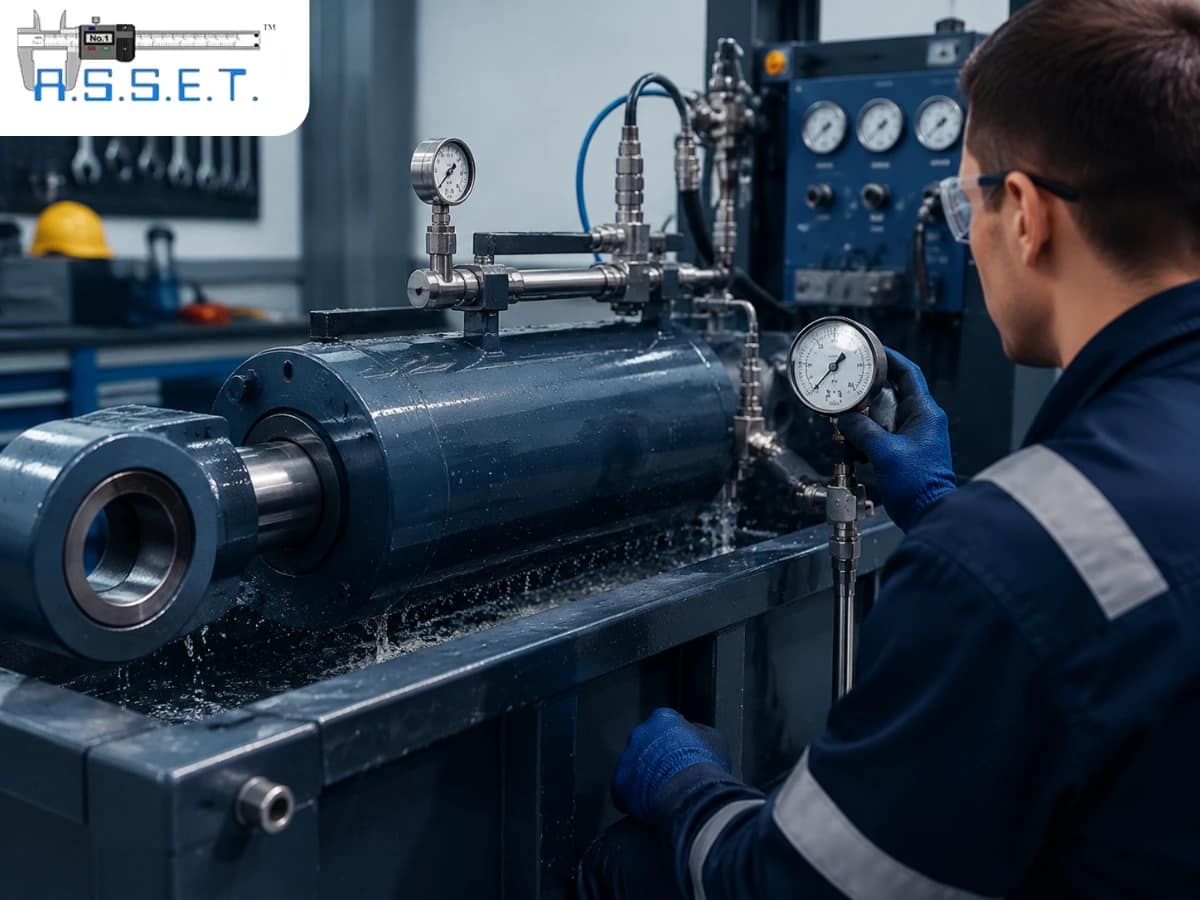
Many people believe that this only involves filling a cylinder with water and applying pressure. The reality is very different. Every reading and decision affects the final result. Professional Hydrostatic Cylinder Testing Trainingexplains what happens inside a cylinder during pressure testing. It teaches the difference between elastic expansion and permanent expansion. It also explains why these measurements matter when deciding if it remains safe for service.
The training combines classroom learning with practical workshop sessions. Technicians use real equipment instead of only reading training material. This experience gives confidence and improves testing accuracy. Two technicians may test the same cylinder. An experienced technician with proper training can identify a small change in expansion readings. This aspect another person may overlook. That difference can prevent an unsafe cylinder from returning to service.
Practical Experience Helps In Better Decision-Making
Every cylinder has its own history. The following things can affect its condition.
- Age
- Corrosion
- Dents
- Scratches
- Previous repairs
A trained technician learns to examine every cylinder carefully before testing begins.
Practical training helps technicians
- recognise visible damage before pressure testing
- understand inspection limits
- record accurate measurements
- identify signs of failure
- complete documentation
These things reduce mistakes and improve consistency between different inspections. One dive centre introduced structured technician training for its workshop staff. During the first six months, the centre reported fewer documentation errors. There was improved consistency between different inspectors. Staff also completed testing more efficiently. This is because everyone followed the same procedures.
This type of improvement benefits technicians and customers.
Accurate Testing Depends on Knowledge, Not Equipment Alone
Modern hydrostatic testing tools provide reliable measurements. But they cannot replace technical knowledge. A testing machine only displays data. The technician must understand what the readings actually mean. Proper training explains subjects that many short courses never cover in detail. These include:
- Metallurgy
- Material behaviour under pressure
- Crack detection methods
- Corrosion patterns
- Rejection criteria
- Recognised inspection standards
The table below shows the difference between basic experience and proper training.
| Area | Basic Experience | Professional Training |
| Equipment operation | Basic understanding | Complete understanding |
| Expansion readings | Limited interpretation | Accurate interpretation |
| Documentation | Basic recording | Professional documentation |
| Failure recognition | Limited confidence | Confident decision-making |
| Standards knowledge | Partial | Current international standards |
This extra knowledge gives technicians confidence when difficult inspection decisions appear.
Better Documentation Leads to Better Safety
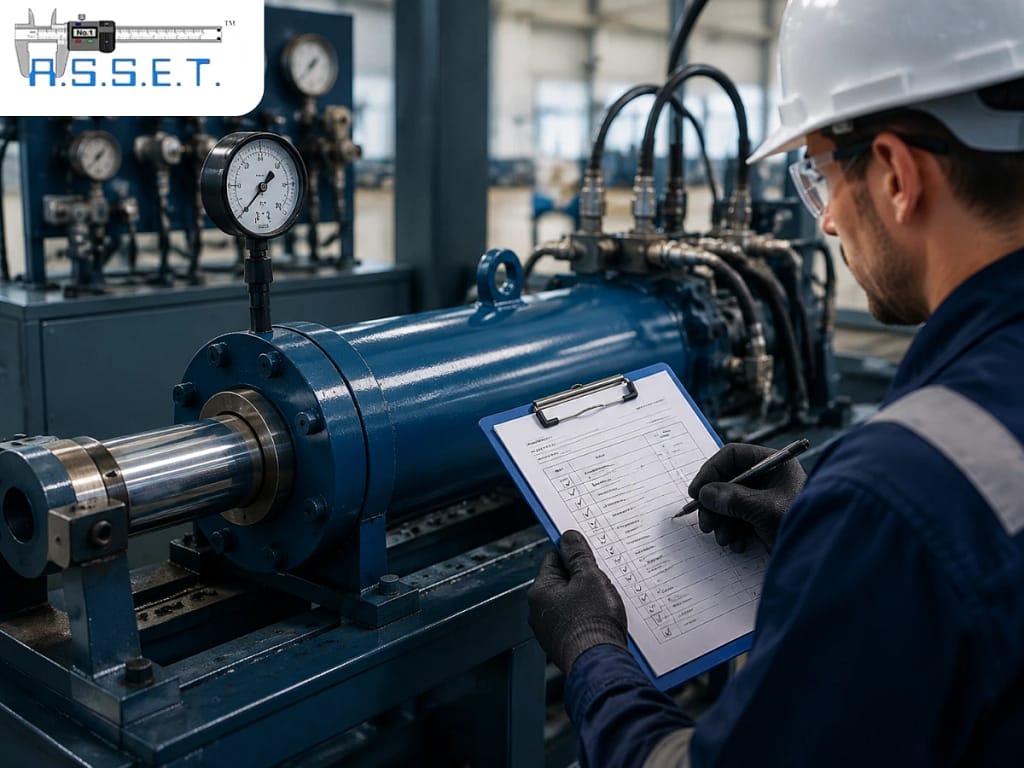
Accurate testing does not end when the pressure test finishes. Every result must be recorded correctly. Good documentation helps technicians and cylinder owners track the history of every cylinder. Best Hydrostatic Cylinder Testing Training teaches technicians to complete inspection records clearly and consistently. Good records include:
- inspection dates
- expansion readings
- rejection reasons
- equipment details
- technician information
These records support future inspections. They help meet recognised industry standards. Clear documentation also protects businesses. If questions arise later, complete records provide evidence that the inspection followed the correct procedures.
Training Improves Confidence During Difficult Inspections
Not every cylinder passes assessment. Some cylinders show corrosion, dents, cracks, and damage. These things require careful judgement. These situations need knowledge and not guesswork. Proper training gives technicians the confidence to make decisions based on recognised standards instead of personal opinion. This confidence grows through:
- practical workshop sessions
- instructor help
- repeated testing exercises
A technician who understands failure limits can explain inspection results clearly to customers. This approach builds trust and supports safe cylinder use.
International Standards Support Accurate Results
Cylinder testing follows recognised criteria for a reason. These standards help technicians produce consistent results regardless of where the inspection takes place.
Proper training introduces technicians to important standards
- ISO 18119
- EN standards
- BS standards
- CGA guidance where applicable
These provide
- clear inspection requirements
- testing procedures
- rejection criteria
Following recognised regulations improves consistency. It reduces errors. Many employers also prefer technicians who understand current inspection standards. This is because they can begin practical work with confidence.
Continuous Learning Helps
Testing methods continue to improve. Standards receive updates and inspection techniques become more refined. Trained technicians understand that learning never stops. Refresher training and advanced courses help them stay current with industry changes. It helps them improve their expertise throughout their careers. This commitment benefits technicians and customers. It also supports safer cylinder inspections across the diving industry.
Final Thoughts
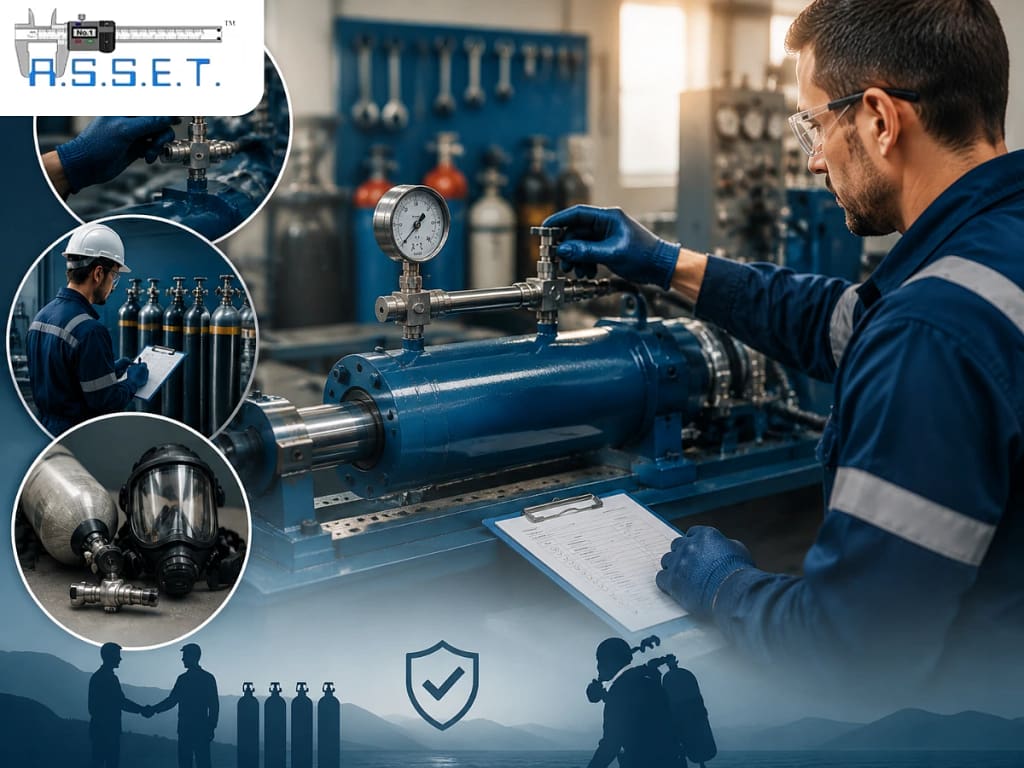
Good training gives much more than a certificate. It gives technical knowledge and practical expertise. It helps with accurate decision-making. It gives confidence in real working environments. The three main benefits are
- Better testing accuracy through practical experience
- Greater confidence when making inspection decisions
- Consistent work that follows recognised international standards
Technicians must understand the science and the practical side of cylinder testing. Only then can they produce reliable results that protect equipment and lives. If you want to improve your inspection expertise and produce the best testing results, Hydrostatic Cylinder Testing Training is a must. Contact the Dive Technician team today to learn more about the course. Begin building the best testing expertise.
FAQs
Who can join this training course?
It is best for technicians who already have cylinder inspection experience and want to progress into pressure testing.
Does the course include practical workshop sessions?
Yes. Participants work with real testing equipment during supervised practical sessions.
Is a certificate provided after the course?
Yes. Successful participants receive an ASSET Cylinder Hydrostatic Testing Certificate.
Can this training support career growth?
Yes. Many employers want technicians with recognised hydrostatic testing qualifications.
Does the course cover aluminium and steel cylinders?
Yes. The training is about material behaviour and inspection methods. It is also about testing principles for different cylinder types.