Scuba Technician Training: The Complete Guide to Becoming a Certified Dive Equipment Technician
Think about it for a second. Every regulator a diver breathes from, every cylinder that gets filled at a dive center, every BCD someone trusts at depth, all of it passes through a trained technician’s hands at some point. That’s what scuba technician training actually protects, and it’s become one of the more searched career paths for divers ready to trade the water for a workshop bench.
Here’s what this guide covers: what scuba technician training actually involves, the different specializations sitting inside it (scuba regulator technician training and scuba equipment repair technician training among them), and how to pick a course that ends in certification people actually recognize.
What Is Scuba Technician Training?
At its core, scuba technician training teaches divers and dive professionals how to inspect, service, and repair the equipment that keeps someone alive underwater. Regulators, cylinders, buoyancy control devices, and in the more advanced courses, compressors and gas blending systems too.
A basic diver level course won’t cover any of this. Scuba technician training is built for people planning to actually work on equipment, running a service department at a dive center, working for a manufacturer, or building an independent repair business from scratch.
Why Scuba Technician Training Matters for the Dive Industry
A regulator failing at depth isn’t some minor inconvenience you shrug off. Real safety stakes sit behind equipment maintenance, and that’s exactly why bodies like ASSET, the Association of Scuba Service Engineers and Technicians, exist in the first place: to keep training standardized across the industry rather than left to chance.
Manufacturers lean on certified technicians too, mostly to protect their own brand and their customers. A lot of equipment warranties get voided the moment service happens outside recognized training, which hands properly certified technicians a real professional edge over everyone else.
Types of Scuba Technician Training Available
One course doesn’t cover all of this. Scuba technician training splits into specializations, and most technicians build their credentials up one certification at a time rather than all at once.
Scuba Regulator Technician Training
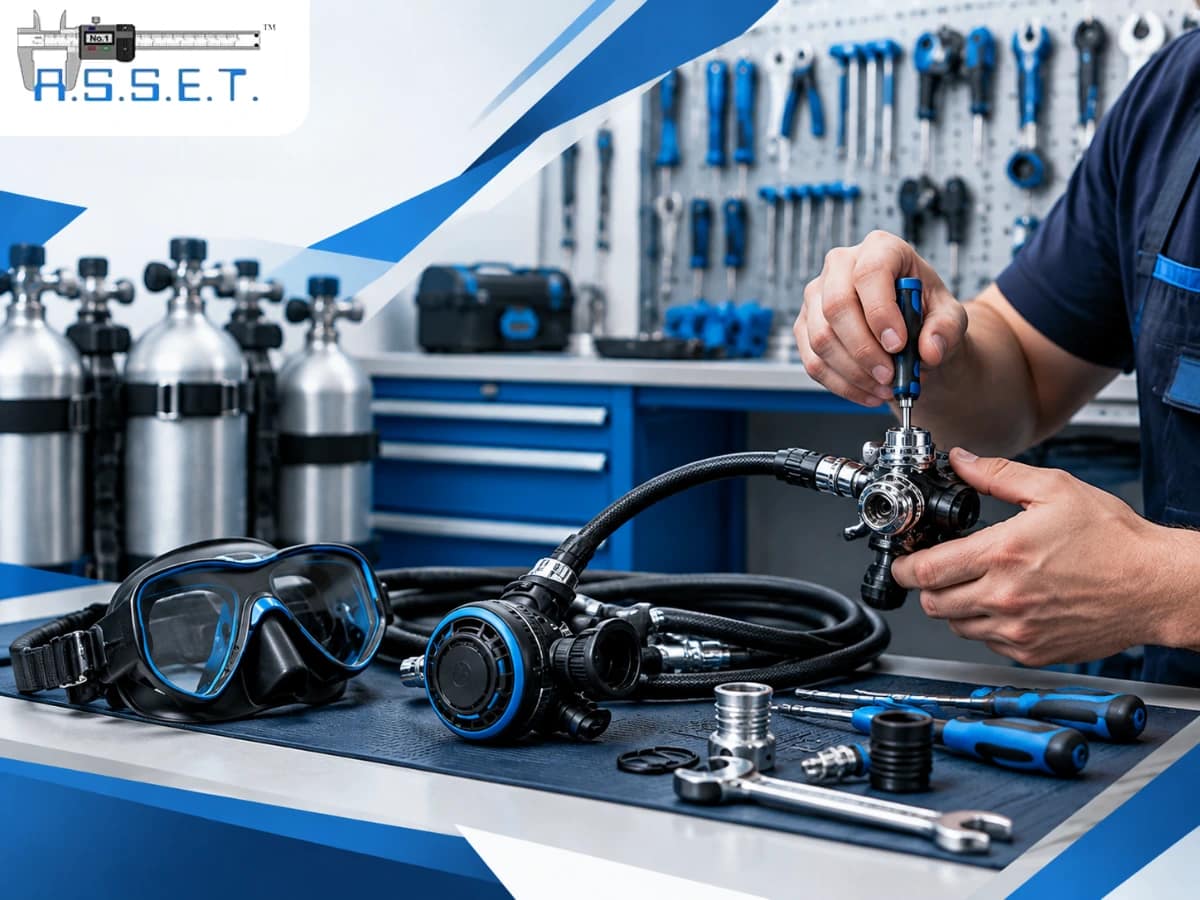
Scuba regulator technician training focuses specifically on the most complex and safety-critical piece of a diver’s kit. Regulators control the exact moment a diver’s next breath depends on correct pressure, timing, and mechanical precision.
This training typically covers:
- First and second stage disassembly, inspection, and reassembly
- Diagnosing common failure points such as free flow, leaks, and breathing resistance
- Correct tuning procedures specific to major manufacturers
- Use of original manufacturer parts and specifications, since substituting parts can create serious safety risks
Scuba Equipment Repair Technician Training
This one goes beyond regulators. Scuba equipment repair technician training pulls in the full range of gear a dive shop actually deals with day-to-day: BCDs, dive computers, hoses, tank valves, all of it.
Makes sense for technicians working shop floor jobs, where a single shift might mean juggling three or four different repair types instead of specializing in just one.
Scuba Equipment Technician Training and Scuba Service Technician Training

Industry folks tend to use these two terms interchangeably, and honestly, they usually mean the same thing: comprehensive training covering maintenance, inspection procedures, and basic workshop operation all together. A full Dive Industry Technician Course typically bundles these skills into one multi-day program rather than splitting them apart.
Online Scuba Regulator Technician Training
More of these programs keep popping up, virtual theory paired with structured hands-on practice using either the student’s own gear or a kit shipped out beforehand. Works well for anyone who can’t easily get to an in-person training center.
That said, even the reputable online programs still want proof of real hands-on skill, a verifiable practical component, before they’ll actually issue certification.
What Does Scuba Repair Technician Training Actually Cover?
A properly built program doesn’t jump straight to tools. Theory comes first, then hands-on practice, then assessment, in that order.
Core Theory Component
- Regulator and equipment mechanics, including how pressure and flow are controlled
- Manufacturer-specific service standards and torque values
- Safety standards and codes of practice relevant to equipment servicing
- Record keeping and workshop documentation requirements
Hands-on Practical Training
- Full disassembly and reassembly of regulators and other equipment under supervision
- Diagnosing intentionally introduced faults to build real troubleshooting skills
- Using specialized tools correctly, including torque wrenches and pressure test equipment
- Practicing on multiple manufacturer models, since techniques vary between brands
Certification and Assessment
Most recognized scuba technician training concludes with a practical assessment, confirming the technician can perform the work independently and to standard, not just recite the steps.
How to Choose the Right Scuba Technician Training Program
With several training paths available, a few questions help narrow down the right fit.
Is the certification recognized by manufacturers and employers?
Look for programs backed by established bodies such as ASSET or approved by major regulator manufacturers.
Does the course include genuine hands-on practice?
Theory alone does not prepare a technician for the judgment calls required on real equipment.
What prerequisites are required?
Some advanced courses require prior certification, such as completing regulator training before progressing to full equipment technician status.
Is ongoing technical support available after certification?
Equipment specifications change, and access to updated manufacturer data after training holds real long term value.
Case Study: From Dive Instructor to Certified Technician
A dive instructor working seasonally in Cyprus reached out to Dive Technician after growing tired of shipping regulators off-site every time a customer needed a service, often losing days of rental availability in the process. He had strong diving experience but no formal equipment training.
After completing scuba regulator technician training, he was able to service and tune his center’s rental regulators on site, cutting equipment downtime significantly during the busy summer season.
Within a year, he had expanded into broader scuba equipment repair technician training, turning what started as a practical fix into a second income stream servicing gear for nearby dive operators as well.
It is a common path in this industry. Equipment knowledge that starts as a way to solve one recurring problem often grows into a genuine technical career.
Career Opportunities After Scuba Technician Training
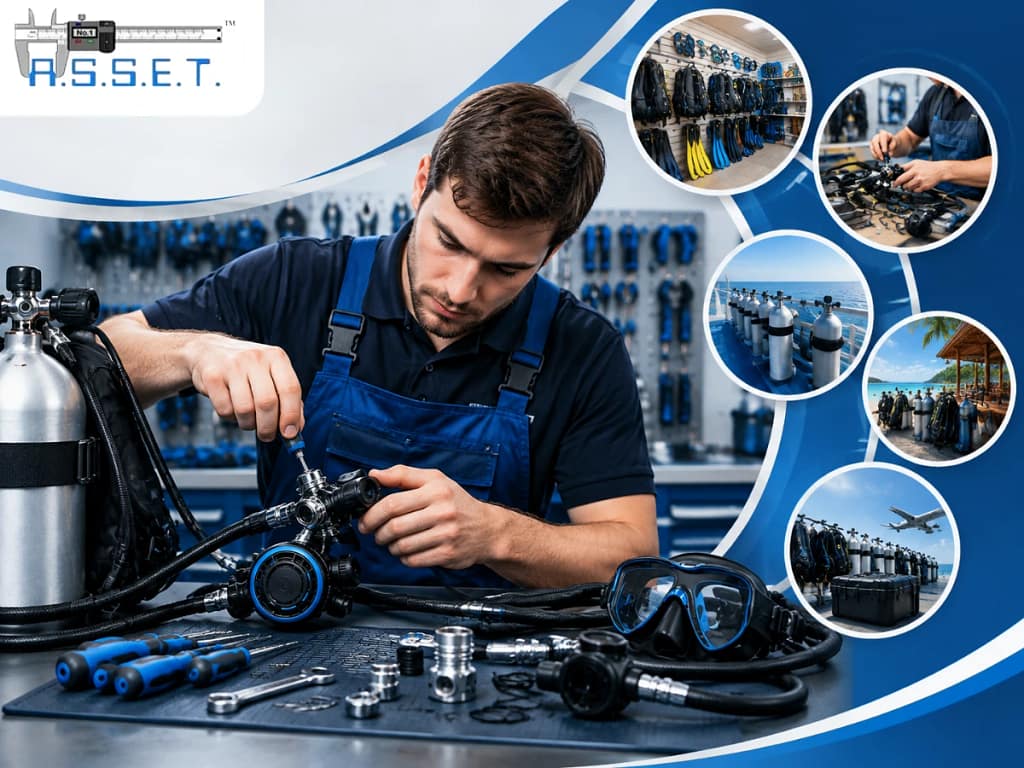
Certified technicians are in steady demand across several parts of the dive industry.
- Dive center service departments, handling rental fleet maintenance and customer repairs
- Independent repair businesses serving multiple dive centers in a region
- Equipment manufacturers and authorized service centers
- Technical and commercial diving operations requiring in-house equipment support
Frequently Asked Questions About Scuba Technician Training
What is the difference between scuba regulator technician training and general scuba equipment technician training?
Regulator training focuses only on regulator servicing and tuning. General equipment technician training covers wider gear too, including BCDs, hoses, and tank valves.
Can I complete scuba technician training online?
Theory and manufacturer specifications, yes. Most credible certifications still require a verified hands-on practical component, either in person or through supervised virtual instruction.
How long does scuba service technician training take?
Single equipment courses often run one to two days. Comprehensive Dive Industry Technician Courses covering multiple equipment types can run one to two weeks.
Do I need to be a certified diver before starting scuba technician training?
Most programs expect at least a basic diving certification and familiarity with equipment. Specific prerequisites vary by course and certification level.
Is scuba technician certification recognized internationally?
Certifications from bodies like ASSET are widely recognized across Europe and regions following UK servicing standards. Confirm recognition with your employer if portability matters.
How much can a certified scuba equipment technician earn?
Earnings vary by location and employment setting. Certified technicians generally earn more than uncertified staff, given the safety responsibility involved.
Start Your Scuba Technician Training Journey
Whether you are a dive professional looking to reduce equipment downtime at your own center or an aspiring technician building a new career path, proper scuba technician training is the foundation that makes it possible.
Explore our current course offerings at Dive Technician to find the right starting point for your goals.