Cylinder Inspection and Testing Course Cyprus: From Visual Inspection to Cylinder Certification
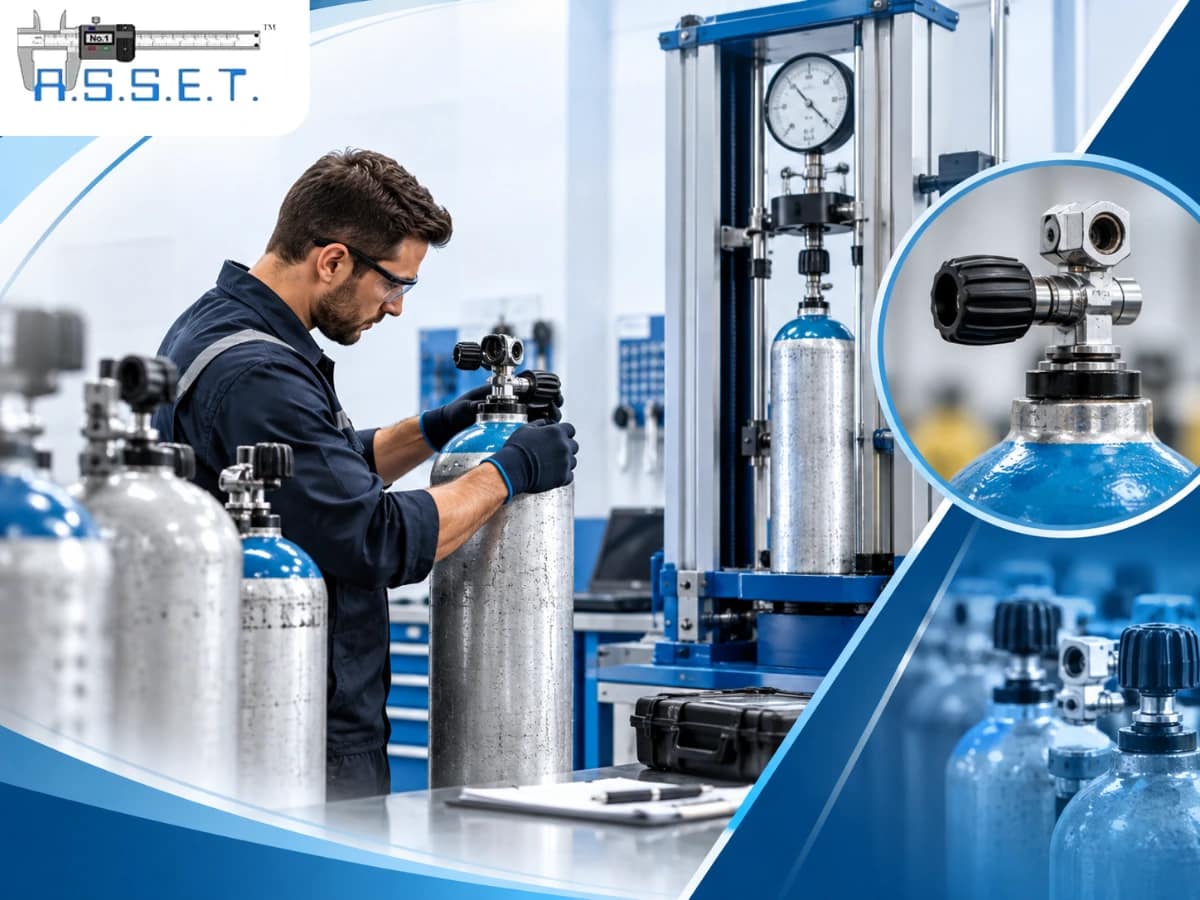
A Cylinder Inspection and Testing Course trains technicians to inspect, pressure test, and certify high-pressure diving cylinders as safe for another year of service. In Cyprus, that training now sits at the centre of dive industry compliance, not on the edge of it.
If you’ve searched for this course, you’re likely weighing up where to start, or how far the certification actually goes. This guide walks through the full pathway, from first-level visual inspection through to composite cylinder work, and explains why each stage matters under Cyprus’s current regulatory setup.
What a Cylinder Inspection and Testing Course Actually Covers
The term isn’t a single certificate. It’s a staged pathway, and most technicians in Cyprus move through it one level at a time.
- Visual inspection teaches you to examine cylinders externally and internally for corrosion, dents, thread wear, and neck damage
- Hydrostatic testing adds pressure testing to measure a cylinder’s permanent set and confirm it can safely hold working pressure
- Composite cylinder inspection extends that knowledge to carbon-fibre wrapped tanks, which fail in ways steel and aluminium cylinders don’t
Each level builds on the one before it. You can’t skip straight to composite training without the foundation the earlier stages provide.
Why Cyprus Dive Centres Need ISO 18119 Cylinder Inspection Training
Cyprus has moved cylinder safety from good practice into regulatory territory. Dive operations now work under CYS EN ISO 24803, the national standard governing recreational diving services, while the Cyprus Federation of Underwater Activities oversees sport diving under the Cyprus Sports Organisation and commercial operators answer to the Deputy Ministry of Tourism.
What that means in practice is simple. A centre in Paphos, Larnaca, or Protaras filling cylinders without a qualified inspector on staff isn’t just taking a risk. It’s operating outside the framework Cyprus now expects.
Level One: Visual Inspection Course Certification
This is where nearly every technician starts. The course is built around ISO 18119 / EN 18119, the European standard for periodic inspection of seamless steel and aluminium cylinders, and it’s required annually regardless of a cylinder’s hydrostatic test schedule.
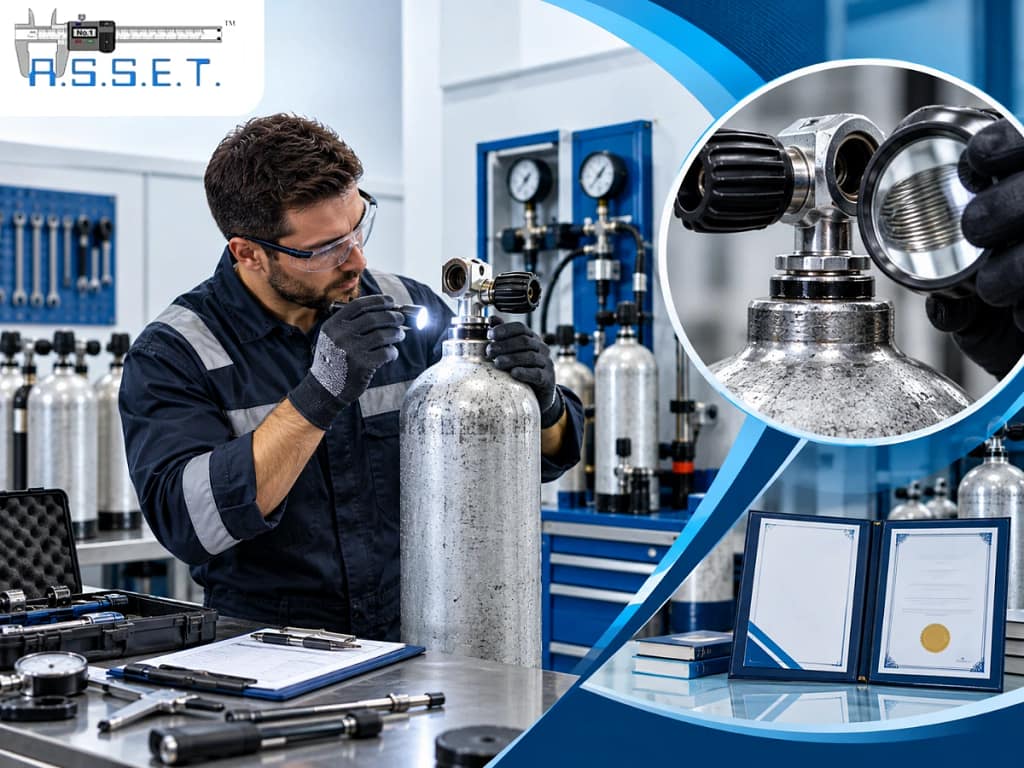
You’ll learn to spot Sustained Load Cracking in aluminium cylinders, internal pitting that spreads along a steel body wall, and valve seat erosion that leaks slowly under pressure without ever announcing itself. None of these problems look urgent in their early stages. That’s exactly why untrained eyes miss them.
What a Certified Visual Cylinder Inspector in Cyprus Walks Away With
A visual inspection certificate qualifies you to examine cylinders, apply approved stickers or stamps, and reject anything that doesn’t meet the standard. It’s the credential that lets a dive centre stop sending every cylinder off-site for a basic check.
Level Two: Hydrostatic Testing Course for Diving Cylinders
Visual inspection tells you what a cylinder looks like. Hydrostatic testing tells you what it can actually withstand.
This stage covers pressure testing procedures, permanent set measurement, and the documentation required to stamp and certify a cylinder according to ISO standards. It’s a physically hands-on course, built around workshop time rather than classroom theory alone.
How Hydrostatic Cylinder Testing Builds on Visual Inspection
You won’t get far with hydrostatic testing skills if you can’t first identify which cylinders deserve a closer look. That’s the logic behind requiring visual inspection certification before this stage, and it’s a sequence most reputable training providers in Cyprus and across Europe enforce.
Level Three: Composite Cylinder Inspection Course
Composite and carbon-fibre wrapped cylinders don’t behave like their steel or aluminium counterparts, and that difference is the entire reason this stage exists.
A composite cylinder can look completely fine on the outside while hiding real structural damage beneath the wrap. UV exposure, heat, moisture, and saltwater all degrade the material in ways that a standard visual check won’t catch without specific training.
The Composite Cylinder Inspection Course is a one-day, focused module for technicians who already hold visual inspection and hydrostatic testing certification. It covers defect grading across three levels, service life limits, and the practical judgement needed to tell a surface mark from a rejection-worthy flaw.
Who Actually Needs Composite Cylinder Inspection Training
Composite training matters most for centres and technicians handling a mixed cylinder fleet, particularly anywhere SCBA units, emergency escape breathing systems, or lightweight oxygen cylinders sit alongside standard scuba tanks. If your work stops at steel and aluminium, you may not need it yet. If it doesn’t, this is the certification that closes the gap.
What the Composite Cylinder Inspection Course Adds to Your Certification
- Confident handling of carbon fibre and wrapped cylinder structures
- The ability to separate surface damage from structural failure
- A complete inspection qualification across every cylinder type a Cyprus dive centre is likely to encounter
Choosing the Right Cylinder Inspection and Testing Course Provider in Cyprus
Not every certificate carries equal weight once you’re back on the job. A few things are worth checking before you book anything.
Recognition matters more than marketing: Confirm the certification is accepted by local fill stations and any operating partners you work with, not just by the provider issuing it.
Prerequisites should be enforced, not suggested: A provider that lets you skip straight into composite training without visual and hydrostatic certification isn’t doing you any favours.
Practical assessment has to be real: Look for courses that include hands-on work with actual cylinders, including borderline pass or fail examples, rather than theory and a multiple-choice quiz.
Career and Business Value of Cylinder Testing Certification Across Cyprus
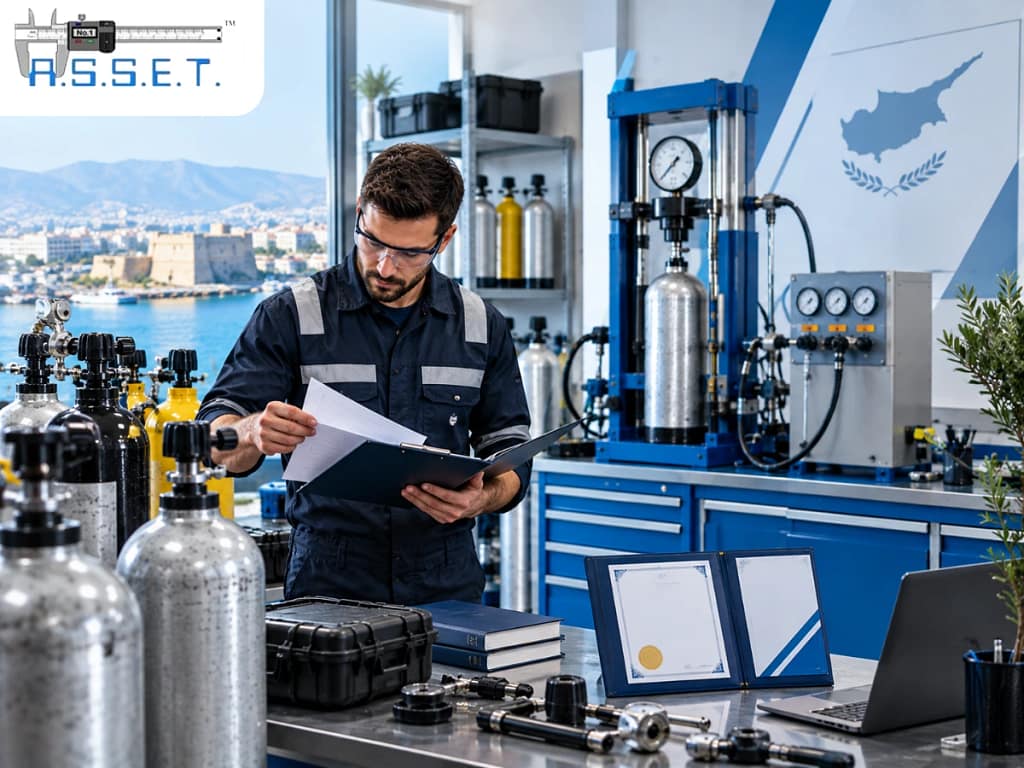
Dive centres in Ayia Napa, Limassol, and Protaras increasingly prefer technicians who can inspect and certify in-house rather than relying on outside contractors. It shortens turnaround time and removes a recurring cost from the operation.
For technicians, a full pathway certification, visual through composite, is a credential that travels. It applies to recreational dive centres, commercial diving work, and industrial breathing apparatus servicing well beyond the dive industry itself.
Cylinder Inspection and Testing Course FAQs: Cyprus Dive Technician Questions Answered
What is the difference between a visual inspection course and a full cylinder inspection and testing course?
Visual inspection covers only the external and internal defect check. A full cylinder inspection and testing course typically includes hydrostatic pressure testing as well, and can extend further into composite cylinder certification for wrapped tanks.
Is cylinder inspection training legally required for dive centres in Cyprus?
Under CYS EN ISO 24803 and the licensing framework overseen by the Cyprus Sports Organisation and Deputy Ministry of Tourism, dive operations are expected to maintain documented, qualified inspection procedures. Operating without this isn’t a compliant setup.
How long does the full pathway from visual inspection to composite certification take?
Visual inspection typically runs one to two days, hydrostatic testing adds another one to two days, and composite cylinder training is usually a single focused day once the earlier levels are complete.
Can I go straight into composite cylinder training without the earlier courses?
No. Composite training assumes you already understand defect grading and testing fundamentals from visual inspection and hydrostatic testing. Providers require both as prerequisites.
Do I need to be an active diver to take a cylinder inspection and testing course?
Not necessarily. Plenty of technicians working in this field aren’t regular divers. What the course actually demands is mechanical attention to detail and a willingness to learn material science and standards documentation.
Why can’t hydrostatic testing alone cover everything a visual inspection checks?
Because the two processes test different things entirely. Hydrostatic testing measures a cylinder’s pressure tolerance, while visual inspection catches surface and near-surface defects that pressure testing won’t reveal on its own. Cyprus standards require both, on separate schedules.
Final Thoughts on Cylinder Inspection and Testing Courses in Cyprus
The pathway from visual inspection through to composite certification isn’t a formality. It’s what separates a dive centre that’s guessing about cylinder safety from one that actually knows.
If you’re just starting out, visual inspection is the right first step. Once that foundation is in place, alongside hydrostatic testing, the Composite Cylinder Inspection Course completes the qualification for whatever cylinder crosses your workshop next.