Scuba Cylinder Visual Inspection Course: A Complete Beginner’s Guide to Certification
Diving looks calm and exciting. But safety always comes first. Every diver depends on strong and well-maintained equipment. A cylinder carries high-pressure gas. So it needs proper care and regular checks. This is where the Scuba Cylinder Visual Inspection Course becomes important. This course teaches beginners the right way to inspect cylinders and understand their condition. Many people think cylinder checks are simple. In reality, they require knowledge and expertise. A proper inspection can prevent serious risks. It can protect lives. This blog explains all the details about this programme and its certification.
Scuba Cylinder Visual Inspection Course: What Beginners Need to Know
The Scuba Cylinder Visual Inspection Coursegives a strong base in cylinder safety and inspection practices. It focuses on theory and practical learning. This helps students get a lot of confidence. This course runs for two days. On the first day, students learn the theory. They study
- cylinder behaviour,
- gas laws, and
- safety principles.
On the second day, they work in a workshop. They inspect actual cylinders and also make use of proper tools. The course does not require previous experience. Beginners can join with a basic interest and a practical outlook. Many students take this course as the first step into technical diving or equipment servicing.
Why Cylinder Inspection Matters?
This is not just a piece of equipment. It works as a pressure vessel. It stores gas under high pressure. Any damage or fault can lead to serious problems. Inspection helps technicians spot issues like:
- Corrosion
- Cracks
- thread damage
Early detection keeps divers safe. It reduces risks. Regular inspection also keeps equipment in good working condition. This course teaches students to understand risk. It helps them to make informed decisions. Students learn what needs attention. They also learn when a cylinder should not stay in service.
Course Structure and Learning Format
The course follows a simple and clear method. It divides learning into two parts.
- Day One focuses on theory. Students study the behaviour of gases. They learn about pressure changes. They also learn safety rules. They also learn about standards and inspection procedures.
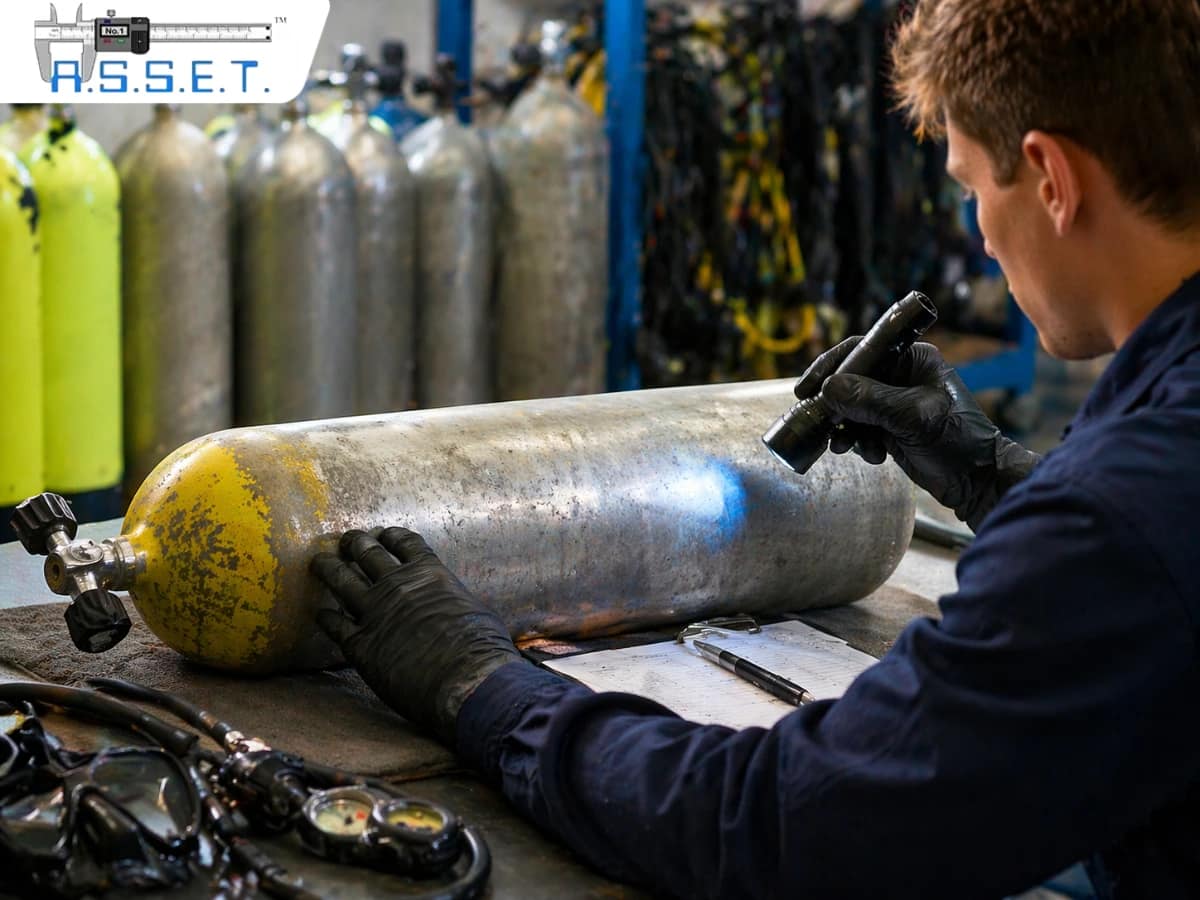
- Day Two focuses on practical training. Students work with real cylinders in a workshop. They perform internal and external inspections. They make use of proper tools.
This mix of theory and practice builds a strong understanding. Students do not just memorise steps. They understand the reasons behind each action.
Topics Covered in the Course
It gives details about many important things in a simple and practical way. Students learn to inspect cylinders step by step. They also understand what they see. They study internal and external inspections and also check valves. The students also learn
- basic maintenance awareness
- thread identification and
- gauging.
The course explains corrosion and damage. It also tells about common failure points. It also introduces standards. It gives details about codes of practice and safety expectations.
Students also learn to record their findings clearly. Proper documentation helps maintain traceable records. It supports safe working practices.
Hands-On Training That Builds Confidence
Practical teaching plays a big role in this course. Students handle real equipment. They perform inspections under supervision. They use inspection tools and measuring devices. They examine cylinder surfaces. They check threads. They also check valves. This hands-on experience builds confidence and expertise. Students also learn to identify actual defects. They understand the difference between minor issues and serious faults. This helps them make correct decisions in real situations.
Certification and Professional Value
After completing the course, students receive a recognised certificate. This shows that they completed structured training. It also shows that they gained practical skills. The course holds CPD accreditation. This means it supports professional development and career growth. Employers value this certification. This is because it proves proper training and knowledge. Many students use this course as a starting point. It opens doors to further training. It can also give them better job opportunities in the diving industry.
What Comes After This Course?
After completing this programme, many students continue their learning path. They move to advanced training in this field. The next step usually includes hydrostatic testing training. This advanced course covers pressure testing and certification processes. It builds on the knowledge gained in the first course. This learning path helps students become expert technicians. It prepares them for real workshop roles and professional responsibilities.
Who Should Take This Course
It suits a wide range of people. Dive technicians benefit greatly from this training. Dive centre staff also get useful knowledge. People responsible for cylinder safety can improve their abilities. Those interested in equipment servicing can start their journey here. Even beginners with no experience can join. The course explains everything in a clear and practical way.
A Simple and Practical Learning Approach
Many training programmes focus only on theory. This course focuses on actual work and practical understanding. Students learn in a clear and simple way. The training avoids unnecessary complexity. It focuses on real situations and real equipment. This approach helps students gain useful details quickly. It also prepares them for real work settings.
Growing Demand for Good Technicians
The diving industry continues to grow. Safety standards also continue to improve. This increases the demand for trained technicians. Courses like this help meet that need. They train people to handle equipment safely and correctly. Many learners also check out Scuba Technician Training Cyprus as part of their career path. This region offers strong training options and practical learning opportunities.
Conclusion
The Scuba Cylinder Visual Inspection Course gives beginners a strong start in the world of diving equipment safety. It combines theory and practical training in a simple and effective way. Students learn to inspect cylinders. They learn to identify defects. They also understand safety standards.
This course does more than teach inspection steps. It builds confidence and responsibility. It helps students make correct decisions that protect lives. For anyone interested in diving equipment and technical training, this course gives real value. It opens the door to further learning and career growth. With the right training, students can move forward with confidence and skill.
For more details and booking information, readers can contact the training team at DT Dive Technician. We have some of the best courses. Our team can provide all the details, and we can also explain all aspects of the different programmes that we offer.
FAQs
What duration does the course follow?
It runs for two days. The first day covers theory. The second day has a practical workshop training.
Is previous diving experience required for this course?
No. It is not needed. Beginners can join with a basic interest and willingness to learn.
What type of certificate do students receive?
Students receive a certificate that confirms completion of structured training in cylinder inspection practices.
Can students complete theory and practical training separately?
Yes. They can complete the theory first. They can attend practical training later within a given time period.
What type of equipment do students use during training?
They use inspection tools and measuring devices. They also use real cylinders during practical sessions.