The Complete Guide to Dive Regulator Maintenance: Keep Your Life Support System Running Flawlessly
If there’s one piece of diving equipment that deserves your utmost attention, it’s your regulator. This isn’t just another gadget in your dive bag—it’s literally the device that keeps you breathing underwater. Yet, I’m constantly amazed by how many divers treat their regulators like indestructible pieces of machinery, tossing them around and skipping annual servicing like it’s optional.
Let me share something that might change your perspective: Last summer, I had a diver come into the shop with a regulator that was “working fine” but hadn’t been serviced in five years. When we opened it up, the salt crystals inside looked like something out of a geology museum. The HP seat was compressed beyond recognition, and we found sand particles in places that should never see sand. That diver was one random dive away from a serious problem at depth.
Why Regulator Maintenance Actually Matters
Here’s the reality—regulators are precision instruments operating in one of the harshest environments imaginable. They’re constantly exposed to saltwater, pressure changes, sand, and temperature fluctuations. Without proper maintenance, even the best regulator will fail. And unlike a leaking mask or a cramping fin, a regulator failure underwater can quickly escalate into a dangerous situation.
The good news? Proper maintenance isn’t complicated, and it can extend your regulator’s lifespan by decades. I’m still diving with a regulator from the early 2000s that breathes like it’s brand new, all because of consistent care and annual servicing.
The Post-Dive Rinse: Your First Line of Defense
Let’s start with the basics that every diver should be doing after every dive. I know, I know—after a long day of diving, the last thing you want to do is fuss with equipment care. But spending five minutes on a proper rinse can save you hundreds of dollars in repairs down the line.
Here’s the right way to rinse your regulator:
First, and this is crucial—make absolutely certain the dust cap is firmly secured over the first stage inlet before any water gets near it. I’ve seen too many regulators destroyed because someone did a “quick rinse” without the dust cap, allowing water to flood into the first stage. That’s a rookie mistake that leads to internal corrosion and a very expensive repair bill.
Once the dust cap is secure, soak the entire regulator in fresh water for at least 15-20 minutes. Don’t just give it a quick spray—you need actual soaking time to dissolve salt crystals. Pay special attention to the second stage and alternate air source. Press the purge buttons a few times while underwater in the rinse tank to flush water through the system and clear out any salt buildup from the valve mechanisms.
For the low-pressure inflator hose, disconnect it from your BCD and rinse it thoroughly, including the quick-disconnect mechanism. These little connectors are salt magnets and can seize up if not properly maintained.
Between-Dive Storage: Setting Yourself Up for Success
How you store your regulator between dive trips matters more than you might think. I’ve opened up regulators that were stored improperly for just a few months, and the internal damage was shocking.
Storage best practices:
Always store your regulator in a cool, dry place away from direct sunlight. UV rays can degrade rubber components and hoses over time. Don’t leave it in your car trunk—the heat cycling will accelerate wear on O-rings and other seals.
Store the regulator loosely, without tension on the hoses. Hanging it by a single hose or coiling the hoses too tightly can cause stress points and eventually lead to hose failure. I recommend laying it flat in a mesh bag or loosely coiled in a plastic bin.
Never store a regulator that hasn’t been thoroughly dried. Even a small amount of trapped moisture can lead to internal corrosion or mold growth. After rinsing, hang your regulator in a well-ventilated area and let it air dry completely—this usually takes 24-48 hours.
Annual Servicing: Non-Negotiable for Safe Diving
Here’s where I get on my soapbox a bit. Annual servicing isn’t a suggestion from manufacturers trying to make extra money—it’s a critical safety requirement. During normal use, internal components wear down, O-rings compress and degrade, and seats take a permanent set. These changes happen gradually, so you might not notice performance degradation, but they’re happening.
What happens during a proper regulator service:
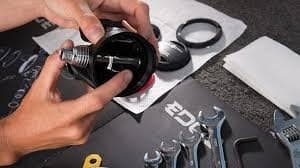
A qualified technician will completely disassemble your first and second stages, inspecting every component for wear, corrosion, or damage. All dynamic O-rings get replaced—these are the seals that actually move and therefore wear faster. HP seats, LP seats, and valve components are evaluated and replaced if they show any signs of wear.
The regulator is then reassembled with proper lubrication (only using lubricants approved for oxygen service), adjusted to manufacturer specifications, and tested at various pressures to ensure it’s breathing smoothly and not leaking.
This process typically costs between $75-150 depending on your location and regulator model, plus parts. Yes, it’s an expense, but compare that to the cost of a new regulator or, worse, a diving emergency.
Warning Signs Your Regulator Needs Immediate Attention
Don’t wait for your annual service if you notice any of these red flags:
Difficult breathing or increased breathing resistance at depth could indicate a problem with the intermediate pressure or valve seats. This should never be ignored.
Free-flowing (continuous air flow when not in use) is a sign that the valve seat isn’t sealing properly. Sometimes this resolves after a dive, but it’s still a warning sign.
Bubbles coming from anywhere except the exhaust valve indicate a leak. Small bubble streams from the first stage or hose connections aren’t normal and need professional attention.
Unusual tastes or smells in your air supply could indicate contamination or degrading internal components. If your air suddenly tastes metallic or rubbery, get it checked immediately.
Hissing sounds from the first stage often indicate intermediate pressure problems or internal leaks.
DIY Maintenance vs. Professional Service
I’m a big advocate for divers understanding their equipment, but there’s a clear line between what you should do yourself and what requires professional service. As a certified regulator technician, I can tell you that modern regulators are precision instruments that require specialized tools, training, and parts to service correctly.
What you CAN and SHOULD do yourself:
- Thorough post-dive rinsing and drying
- Regular visual inspections for obvious damage
- Proper storage and transportation
- Keeping your dust cap clean and secured
What you should NEVER attempt without proper training:
- Disassembling first or second stages
- Adjusting intermediate pressure
- Replacing internal components
- “Fixing” a free-flowing regulator yourself
The manufacturer training programs exist for a reason—there are specific torque specifications, adjustment procedures, and compatibility issues that require professional knowledge. I’ve had to fix too many regulators that were made worse by well-intentioned owners who watched a YouTube video and decided to DIY their annual service.
The Truth About “Life Support” Equipment
I started this article calling your regulator a life support system, and I meant it. When you’re 80 feet down on a wreck dive or exploring a coral reef, that regulator is what stands between you and a potentially fatal situation. It deserves the same level of attention you’d give to a parachute if you were a skydiver.
The divers who treat their regulators with respect—rinsing them properly after every dive, storing them correctly, and keeping up with annual servicing—are the ones who dive with confidence and rarely experience equipment problems. Their regulators last for decades and provide reliable performance dive after dive.
Final Thoughts
Proper regulator maintenance isn’t glamorous, and it’s not the most exciting part of diving. But it’s absolutely essential. The fifteen minutes you spend rinsing your regulator after a dive and the annual service appointment you schedule are small investments that pay massive dividends in safety, performance, and equipment longevity.
Remember, your regulator is your lifeline underwater. Treat it that way, and it will take care of you for years to come. Skip the maintenance, and you’re literally gambling with your safety every time you descend.
Now if you’ll excuse me, I have a dozen regulators in the shop waiting for their annual service. Some of these divers get it—they’re here right on schedule. Others are here because they ignored the warning signs until their regulator failed during a dive trip. Guess which group has more expensive repair bills?
Dive safe, maintain smart, and I’ll see you underwater.
About the Author: This article was written by a certified dive equipment technician with over 30 years of experience servicing regulators for recreational and technical divers. All recommendations are based on industry best practices and manufacturer guidelines.