
Approved ASSET Service Centre – Internationally Recognised Diving Equipment & Cylinder Testing Standards
🌍 ASSET Authorised Service Centres
Working to Internationally Recognised Codes of Practice for Scuba, Gas Cylinders and Oxygen Service
What Is an Approved ASSET Service Centre?
An Approved ASSET Service Centre is a professionally audited workshop or technical facility operating in accordance with ASSET Codes of Practice, aligned with:
- EN (European Norm) Standards
- ISO (International Organisation for Standardisation)
- BS (British Standards)
- ADR / TPED / PED pressure equipment regulations
ASSET Service Centres are recognised for:
- Technical competence in life-support diving equipment
- Correct specialist tooling and calibrated test equipment
- Compliance with EN / ISO cylinder and regulator standards
- Audited, traceable, and documented working practices
Approval may be granted under one or multiple Codes of Practice depending on the service centre’s technical capability and certified technician qualifications.
Why Choose an Approved ASSET Service Centre?
Becoming — or using — an ASSET Service Centre demonstrates that the facility:
✔ Operates to internationally recognised engineering standards
✔ Uses structured, auditable workshop procedures
✔ Employs trained, competent ASSET-certified technicians
✔ Maintains life-support and pressure equipment correctly
✔ Works within legally defensible compliance frameworks
ASSET approval is highly regarded across the dive industry and offers a credible, standards-based alternative to informal or non-regulated servicing models.
ASSET Codes of Practice
🔹 Code of Practice No. 1 (CP1)
Regulator Maintenance & Refurbishment
(Open Circuit – Excluding Cylinders)
Aligned with: EN 250 / BS EN 250
Scope
Structured servicing of open circuit scuba regulators and associated diving equipment.
Key Technical Requirements
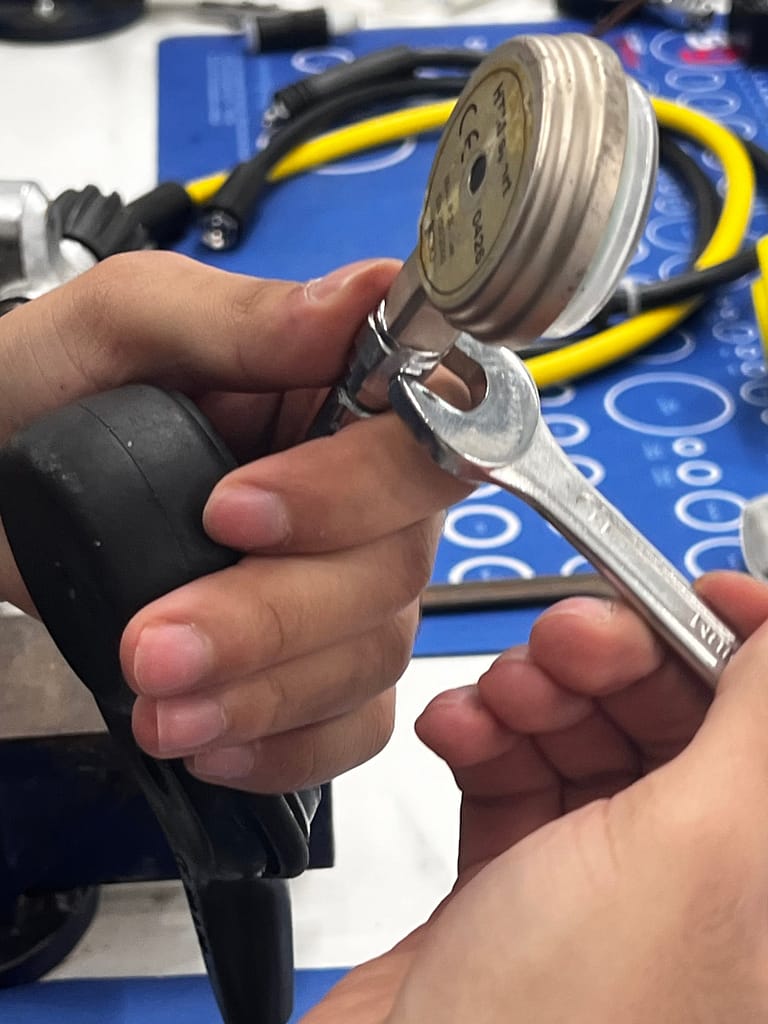
- Manufacturer-approved strip-down, inspection and reassembly
- Replacement of critical components within service intervals
- Intermediate pressure (IP) stability testing
- Cracking effort verification
- Flow and breathing performance checks consistent with EN 250
- Full documentation and traceability
Why CP1 Matters
EN 250 defines minimum breathing performance standards.
ASSET CP1 ensures regulators are serviced to meet those benchmarks — not simply returned to “working condition.”
🔹 Code of Practice No. 2 (CP2)
Cylinder Inspection & Hydrostatic Testing (≤50L Steel & Aluminium)
Aligned with:
EN ISO 18119 (Replaces EN 1968 / EN 1802)
ADR / TPED / PED Regulations
Scope
Periodic inspection and hydraulic testing of refillable gas cylinders used for breathing and inert gases.
Key Technical Requirements
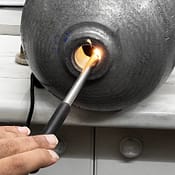
- Internal and external visual inspection
- Hydraulic testing with permanent expansion measurement
- Neck thread inspection and conformity verification
- Valve removal and refitting to correct torque specifications
- Correct stamping, marking and certification
- Full inspection records and rejection logging
Why CP2 Matters
ISO 18119 defines strict deformation limits and rejection criteria.
Hydrostatic testing confirms cylinder structural integrity and prevents catastrophic pressure failure.
🔹 Code of Practice No. 2C (CP2C)
Composite Cylinder Inspection & Testing (≤50L)
Aligned with:
ISO 11623
EN ISO 11119 (Parts 1–3)
Scope
Applies to composite cylinders with steel, aluminium, polymer liners, or liner-less construction.
Key Technical Requirements
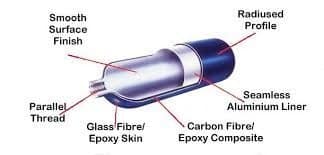
- Fibre-wrap inspection and damage assessment
- UV degradation and impact evaluation
- Delamination detection
- Liner integrity checks
- Strict rejection and end-of-life condemnation procedures
Why CP2C Matters
Composite cylinders require significantly greater technical judgement than metallic cylinders.
Incorrect inspection can result in structural failure under pressure.
🔹 Code of Practice No. 3 (CP3)
Oxygen Service & Gas Mixing (>23% Oxygen)
Aligned with:
EN 13949
ISO 11114
EN ISO 15001
ASTM G93 (Oxygen Cleaning Reference)
Scope
Preparation and maintenance of equipment used with Nitrox, oxygen, and helium mixtures.
Key Technical Requirements
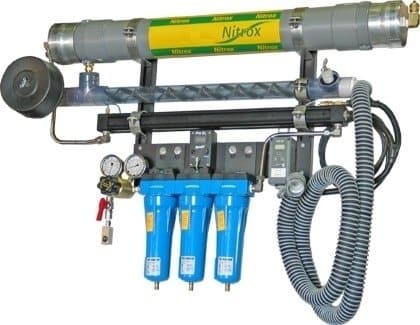
- Oxygen cleaning to remove hydrocarbons
- Verification of material compatibility
- Use of oxygen-compatible lubricants
- Clean assembly and contamination control
- Safe gas blending procedures
Why CP3 Matters
Elevated oxygen levels significantly increase combustion risk.
Strict cleanliness and compatibility standards are essential for safety and legal compliance.
🔹 Code of Practice No. 4 (CP4)
Maintenance of SCUBA Equipment for Compressed Air (≤23% Oxygen)
Aligned with:
EN 250
EN 12021 (Breathing Air Quality)
Scope
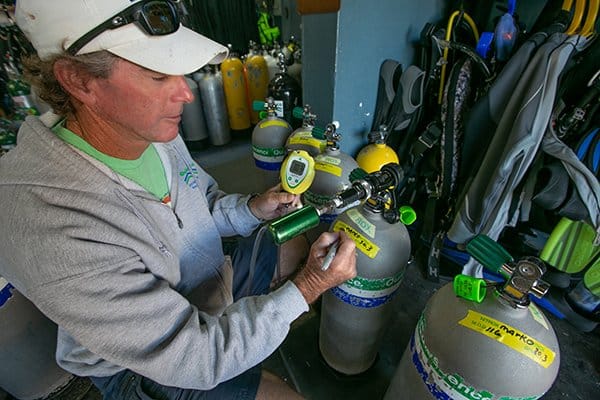
Routine servicing of open circuit scuba systems used with compressed air.
Key Technical Requirements
- EN 250 breathing performance verification
- Intermediate pressure stability testing
- Leak and pressure retention testing
- Air quality compliance where filling is undertaken
Approval, Inspection & Audit Process
To become an Approved ASSET Service Centre, workshops must undergo:
1️⃣ Application & Setup
- Submission of facility details
- Defined scope of requested approval
2️⃣ Technical Audit
Inspection of:
- Specialist tooling and calibrated equipment
- Workshop layout and contamination control
- Documentation and service procedures
- Technician competence and certification
Approval is granted only when all technical and compliance requirements are met.
Technician Competence
All Approved ASSET Service Centres must employ technicians who are:
- Trained and certified under ASSET programmes
- Competent in the specific Codes of Practice applied for
- Operating under documented, auditable procedures
ASSET approval is based on demonstrated competence, not course attendance alone.
International Recognition & Compliance
ASSET Codes of Practice align with:
- EN (European Norms)
- ISO (International Standards)
- BS (British Standards)
- Pressure equipment and transport regulations
This ensures ASSET Service Centres operate:
✔ Within recognised international standards
✔ With legally defensible procedures
✔ Under professional technical governance
✔ With structured risk control for life-support equipment
Interested in Becoming an Approved ASSET Service Centre?
ASSET supports qualified technicians and workshops worldwide who wish to establish authorised service centres operating to globally recognised standards.
📩 Contact ASSET today to discuss approval pathways, audit requirements, and technical compliance.