
Subtotal: 450.00 €
How to Master ASSET Cylinder Visual Inspection Course: A Comprehensive 2-Day Course
Cylinder Visual Inspection Course – Part 1 is your first course in practical inspection of cylinder pressure vessels.
Cylinder Visual Inspection Course (Part 1)
Professional Scuba Cylinder Inspection Training | CPD Accredited
The ASSET Cylinder Visual Inspection Course (Part 1) is a practical, 2-day course designed for anyone who needs to properly inspect scuba cylinders and understand what they are looking at — and why it matters.
This is where most technicians start. It gives you a solid foundation in cylinder inspection as a pressure-systems responsibility, not just a visual check.
CPD Accredited – Recognised Professional Training
ASSET is now an Accredited Provider with the CPD Standards Office (UK).
That means this course isn’t just informal training. It is recognised as Continuing Professional Development (CPD) and can be recorded as part of your ongoing professional learning.
For many students, this matters because:
- It supports career development
- It shows employers you’ve completed structured, assessed training
- It can contribute towards wider professional or academic pathways
More importantly, it confirms that what you are learning is relevant, structured, and independently recognised.
About the Course
This course introduces both the theory and the hands-on side of cylinder inspection.
You’ll spend time understanding how cylinders behave, what defects actually mean, and how to carry out inspections properly — not just ticking boxes.
The focus is on:
- Recognising real defects
- Understanding risk
- Working in line with accepted standards and good practice
- Recording your findings clearly and correctly
Course Structure
- Duration: 2 Days
- Day 1: Theory (online or classroom)
- Day 2: Practical workshop training
There are no prerequisites, but a practical mindset definitely helps.
What You’ll Cover
- Cylinder inspection procedures and basic testing principles
- Internal and external visual inspection
- Valve checks and basic maintenance awareness
- Thread identification and gauging
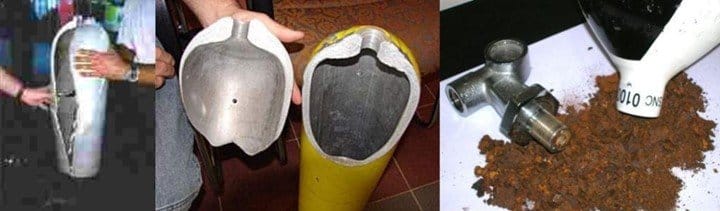
- Recognising corrosion, damage, and common failure points
- Introduction to standards, codes of practice, and HSE expectations
- Recording inspections and maintaining traceable documentation
Everything is taught in a way that makes sense in the real world — not just in a manual.
Why This Course Matters
Cylinders are often treated as just another piece of dive kit. They’re not.
They are pressure vessels, and if they fail, the consequences are serious.
This course helps you understand:
- What to look for
- What actually matters
- When something should be removed from service
- How to justify your decisions
Key Benefits
- Practical, hands-on training
- Clear, straightforward explanations — no unnecessary complexity
- Based on real workshop experience
- Recognised as CPD-accredited training
- A solid starting point for anyone working with cylinders
- Supports safer diving through better inspection practices
Certification
Once completed, you’ll receive:
ASSET Cylinder Testing (Part 1) – Practices & Procedures Certificate
This shows that you’ve completed structured training and can carry out inspections with a level of competence expected in a working environment.
What Comes Next
Most students go on to:
👉 ASSET Hydrostatic Testing Course (Part 2)
This builds on what you learn here and moves into full pressure testing and certification.
What’s Included
- Theory training (online or classroom)
- Practical workshop session
- Course materials
- Certification and Q-Card
Flexible Learning
If you complete the theory online and pass the assessment, you can attend the practical session later — up to 12 months after completing the academic part.
You can also revisit the theory in a classroom setting if needed.
Who This Course Is For
- Dive technicians
- Dive centre staff
- People responsible for cylinder inspections
- Anyone looking to move into equipment servicing
- Those wanting structured, recognised training
A Straightforward Approach
There are plenty of courses that focus on “awareness”.
This one is about doing the job properly.
Interested?
Get in touch to book a place or find out the next available dates.
👉 Enquire now
👉 View course dates
👉 Contact ASSET
What Will I Learn?
- ASSET Cylinder Visual Testing Course: For those new to cylinder inspection.
- Discover the key theoretical and practical components covered in the first part of the ASSET Cylinder Visual Testing Course, equipping you with the knowledge and techniques to become a certified cylinder inspection technician.
- The Cylinder Visual Inspection Course is designed to equip participants with essential skills and knowledge for the effective inspection of cylinders. This comprehensive training program covers critical aspects such as identifying defects, understanding safety standards, and applying best practices in visual inspection techniques. Participants will engage in hands-on exercises and case studies, ensuring they are well-prepared to maintain the integrity and safety of cylinder operations in various industries.
Course Content
Professional Cylinder Technicians Course CTC1
-
Professional Welcome to Cylinder Technicians Course CTC1
-
Introduction
-
About the Author
-
Cylinder safety principles
-
ISO Units of Measurement
-
Understanding Terminology and Standards
-
The Behavior of Gases
-
Understanding Boyle’s Law
-
Boyle’s Law (Part II)
-
Boyle’s Law (Part III)
-
Boyle’s Law (Part IV) (Effects of Gas Compression)
-
The Ideal Gas Law
-
Pressure Changes: Ideal Gas Law
-
The Joule-Thomson effect
-
Dalton’s Law Explained
-
Corrosion and Partial Pressure
-
Stored Energy Hazards
-
Tool Selection Guidelines
-
Inappropriate Tools
-
Special Tools
-
Workshop Equipment
-
Inspection Tools and Equipment
-
Cylinder Measuring Tools
-
Hydraulic Testing Equipment
-
Calibration Essentials
-
Master Gauge Calibration
-
Gauge Calibration Process
-
Working Gauge Calibration
-
Working Gauge Calibration (Part II)
-
Required Documentation
-
Record Keeping
-
Substitute Spares Guidelines
-
Common Errors
-
Standards and Approval Systems
-
Summary of ASSET CP 2
-
Workshop Safety
-
Cylinder Valve Safety
-
Valve Inspection Essentials
-
Cylinder Disassembly Process
-
Valve Replacement Criteria
-
Cylinder Valve Construction
-
Cleaning Procedure
-
Reassembly Best Practices
-
Thread Forms in Cylinders
-
Earlier Thread Forms
-
Thread Forms (Part I)
-
Thread Forms (Part II)
-
Thread Standards Overview
-
Avoiding Thread Mismatches
-
Tolerance and Fit
-
Thread Gauging Process
-
Gauging Parallel Threads
-
Gauging Taper Threads
-
Fitting Parallel Valves
-
Incompatible Cylinder Connections
-
Fitting Taper Valves
-
Tightening Torque on Valves
-
Pressure Compatibility
-
Plug and Neck Inserts
-
Safety Reminders
-
Cylinder Safety Regulations
-
Key Definitions in Testing
-
EU directives
-
Current Manufacturing Standards
-
Obsolete Approved Standards
-
USA Standards
-
Inspection Standards Overview
-
Key Standards in Testing
-
Associated Standards
-
Inspection and Testing Periods
-
Inspection and Testing Process
-
Confirm Cylinder is Empty
-
Dealing with a Blocked Valve
-
Repair and Replacement
-
Valve Removal Preparation
-
Cylinder Valve & Neck Inspection
-
Eddy Current Testing
-
Conducting External Examinations
-
Compulsory Zinc Coating
-
Measuring External Defects
-
Internal Cylinder Inspections
-
Evaluating Internal Defects
-
Measuring Wall Thickness
-
Shot Blasting Method
-
Rejection Criteria
-
Cylinder Defect Rejection Criteria (Part I)
-
Cylinder Defect Rejection Criteria (Part II)
-
Cylinder Corrosion Rejection Criteria
-
Hydrostatic Testing Explained
-
Volumetric Jacket Procedure
-
Volumetric Levelling Burette
-
Volumetric Weighed Water
-
Volumetric Non-Jacket Method
-
Proof Method for Cylinders
-
Supplementary Tests
-
Drying Cylinders
-
Refitting the Valve
-
Stamp Marking and Labelling
-
Refinishing Cylinders
-
A: Reject or Repair
-
Gas Cylinder Shoulder Colours
-
Identifying Gas Cylinder Contents
-
Cylinder Testing Part 1 Final Exam
About the instructor
12 Courses
6 students

Material Includes
- The course material is fully illustrated with high-quality detailed pictures
Audience
- For those new to cylinder visual inspection. No skill or knowledge necessary.